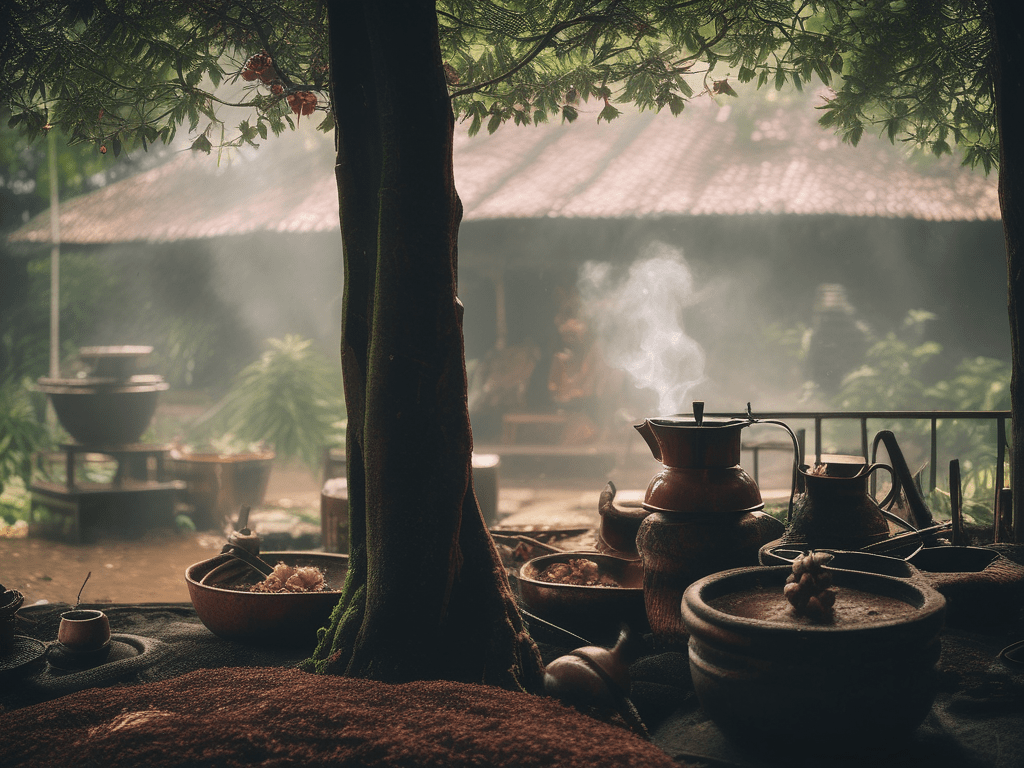
As I’m leaving for another work trip to Indonesia soon, I thought this was the perfect time to dive into the coffee rituals and traditions of this country.
Indonesia is a sprawling archipelago of over 17,000 islands, is renowned for its diverse coffee culture and rich heritage. Indonesian coffee stands out globally, not only for its unique flavors but also for the traditional rituals that surround its consumption. Let’s dive into what makes Indonesian coffee so special and the cultural practices that elevate it beyond a mere beverage.
The Unique Flavor Profiles of Indonesian Coffee
Indonesian coffee is known for its distinct and varied flavor profiles, shaped by the country’s diverse geography and climate. Key coffee-producing regions like Sumatra, Java, Sulawesi, and Bali contribute to the rich tapestry of Indonesian coffee, each with its own unique characteristics.
- Sumatran Coffee: Sumatran coffee is celebrated for its full body, low acidity, and earthy flavors, often with notes of chocolate and spice. The wet-hulling processing method, unique to Indonesia, contributes to its distinctive taste and heavy mouthfeel.
- Javanese Coffee: Java coffee is known for its smooth, rich flavors with a hint of sweetness and a balanced acidity. Often aged, Javanese beans develop a complex profile over time, adding to their uniqueness.
- Sulawesi Coffee: Coffee from Sulawesi, particularly from the Toraja region, offers a multi-dimensional taste with a medium body, bright acidity, and intricate flavors that include fruity and floral notes.
- Balinese Coffee: Bali’s coffee, often grown in volcanic soil, boasts a medium body, bright acidity, and a rich, smooth finish. The unique processing methods and fertile ground contribute to its vibrant flavor.
Traditional Coffee Rituals in Indonesia
Coffee in Indonesia is more than just a drink; it’s a cultural experience deeply rooted in tradition and community. Here are some traditional coffee rituals that highlight the cultural significance of this beloved beverage:
- Kopi Tubruk: This traditional Javanese coffee is made by boiling coarse coffee grounds with sugar, resulting in a strong, sweet brew. Kopi Tubruk is often enjoyed during social gatherings, reflecting the communal aspect of coffee drinking in Indonesia.
- Kopi Luwak: Known as one of the world’s most expensive coffees, Kopi Luwak is made using beans that have been digested by the civet cat. The fermentation process inside the animal’s digestive tract imparts a unique, smooth flavor to the coffee, making it a highly sought-after delicacy.
- Sipping Coffee in Warungs: Warungs, or small family-owned cafes, are integral to Indonesian coffee culture. These cozy spots serve as community hubs where people gather to enjoy a cup of coffee, engage in conversation, and strengthen social bonds.
- Ceremonial Coffee Drinking: In some regions, coffee drinking is part of elaborate ceremonies and festivals. For instance, the Toraja people of Sulawesi incorporate coffee into their traditional rites and rituals, underscoring its cultural and spiritual significance.
What Makes Indonesian Coffee Different from Other Heritage Coffees?
Indonesian coffee stands out from other heritage coffees due to its unique growing conditions, processing methods, and cultural practices. Here are a few aspects that set it apart:
- Diverse Growing Environments: Indonesia’s varied topography, including volcanic highlands and lush forests, provides ideal conditions for growing a wide range of coffee varieties. This diversity results in a rich palette of flavors and aromas.
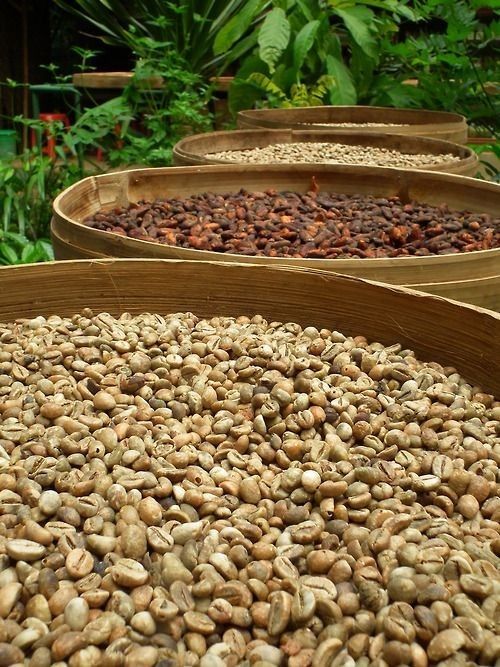
- Unique Processing Techniques: The wet-hulling method, or “Giling Basah,” used primarily in Sumatra, is distinctive to Indonesia. This process, which involves removing the coffee parchment while the beans are still wet, imparts a heavy body and earthy flavors that are characteristic of Indonesian coffee.
- Cultural Integration: Coffee is deeply embedded in Indonesian culture, with traditional practices and rituals that emphasize community and heritage. This cultural integration enriches the coffee experience, making it more than just a beverage but a shared cultural tradition.
The Rich Tapestry of Indonesian Coffee
Indonesian coffee is a testament to the country’s rich cultural heritage and natural bounty. From the bold, earthy flavors of Sumatran coffee to the smooth, complex notes of Java, each cup tells a story of its origin and the traditions that sustain it. I love that I’ve learned more about Indonesian coffee, so that when I’m visiting the farms I can experience the culture and techniques on a different level.












 Flavoured Interiors