Tag: interior-design

  • Designing Our Dream Kitchen: Key Decisions and Tips

    Designing Our Dream Kitchen: Key Decisions and Tips

    Embarking on the journey of designing a kitchen is both exhilarating and daunting. My partner and I are currently knee-deep in this process, and we’ve realized there are countless decisions to be made. From choosing the perfect layout to selecting the ideal materials, every choice impacts the functionality and aesthetics of our future culinary haven. Here, I’ll share our journey and some crucial considerations for anyone diving into their own kitchen design adventure.

    Layout: The Foundation of Your Kitchen Design

    One of the first and most significant decisions is the layout. The layout dictates the flow and efficiency of your kitchen. We deliberated between an open concept and a more traditional closed layout. Open layouts are great for socializing and making the kitchen the heart of the home, but they also require careful consideration of noise and clutter. Because our space is not that big we ultimately chose an open layout to keep our space airy and welcoming.

    Storage Solutions: Maximize Every Inch

    Storage is a critical aspect of kitchen design. We spent hours discussing the best ways to maximize storage without compromising style. Here are a few ideas we found helpful:

    • Pull-out pantries: These offer easy access to items and maximize vertical space.
    • Corner cabinets with lazy Susans: Perfect for utilizing those tricky corner spaces.
    • Deep drawers: Ideal for pots, pans, and even dishware.
    • Cabinets all the way to the ceiling

    Appliances: Invest in Efficiency and Style

    Selecting appliances was another major decision. We wanted appliances that are not only efficient but also complement our kitchen’s style. Energy-efficient models can save on utility bills and reduce our carbon footprint. We opted for a sleek black finish to give our kitchen a modern touch while ensuring longevity and durability.

    Countertops: Balancing Beauty and Functionality

    Countertops are the workhorses of the kitchen. We explored various materials, weighing the pros and cons of each:

    • Granite: Durable and heat-resistant but requires periodic sealing.
    • Quartz: Low-maintenance and non-porous, perfect for a busy kitchen.
    • Butcher block: Adds warmth and is great for food prep, though it requires regular maintenance.

    After much debate, we think we will go for quartz for its combination of durability and ease of maintenance. There are also endless color combinations possible with quartz

    Lighting: Setting the Mood

    Good lighting is essential for both functionality and ambiance. We incorporated a mix of task lighting, ambient lighting, and accent lighting to create a well-lit, inviting space. Under-cabinet lights illuminate work areas, pendant lights add style and character, and recessed ceiling lights ensure the entire room is well-lit.

    Backsplash: A Splash of Personality

    The backsplash is an opportunity to infuse personality into the kitchen. We chose a subway tile with a herringbone pattern to add texture and visual interest. It’s a classic choice that complements other areas in the house, such as the bathroom where we also chose these tiles.

    Flooring: Durable and Easy to Clean

    Finally, we had to decide on flooring. We needed something durable and easy to clean, especially with our busy lifestyle. We considered hardwood, tile, and vinyl. Ultimately, we selected luxury vinyl plank flooring for its durability, water resistance, and realistic wood appearance.

    Personal Touches: Make It Yours

    Adding personal touches to your kitchen design makes it uniquely yours. We’re planning to display some of our favorite cookbooks, add a few potted herbs for a touch of green, and hang artwork that inspires us.

    Conclusion

    Designing a kitchen is a complex yet rewarding process. Each decision we made brought us closer to our dream kitchen. By carefully considering the layout, storage, appliances, countertops, cabinetry, lighting, backsplash, and flooring, we’ve created a space that reflects our style and meets our needs. If you’re embarking on your kitchen design journey, take your time, explore your options, and most importantly, enjoy the process. Happy designing!
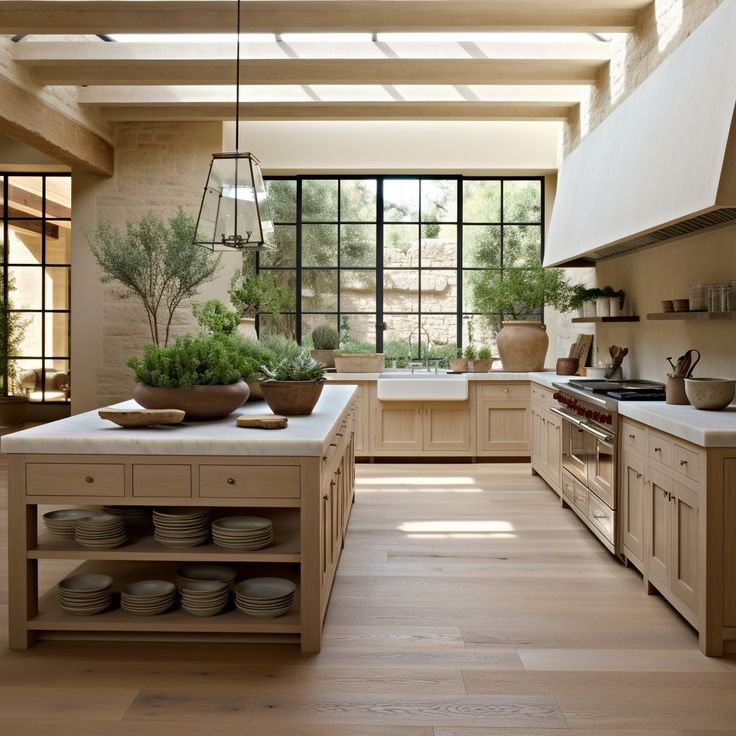
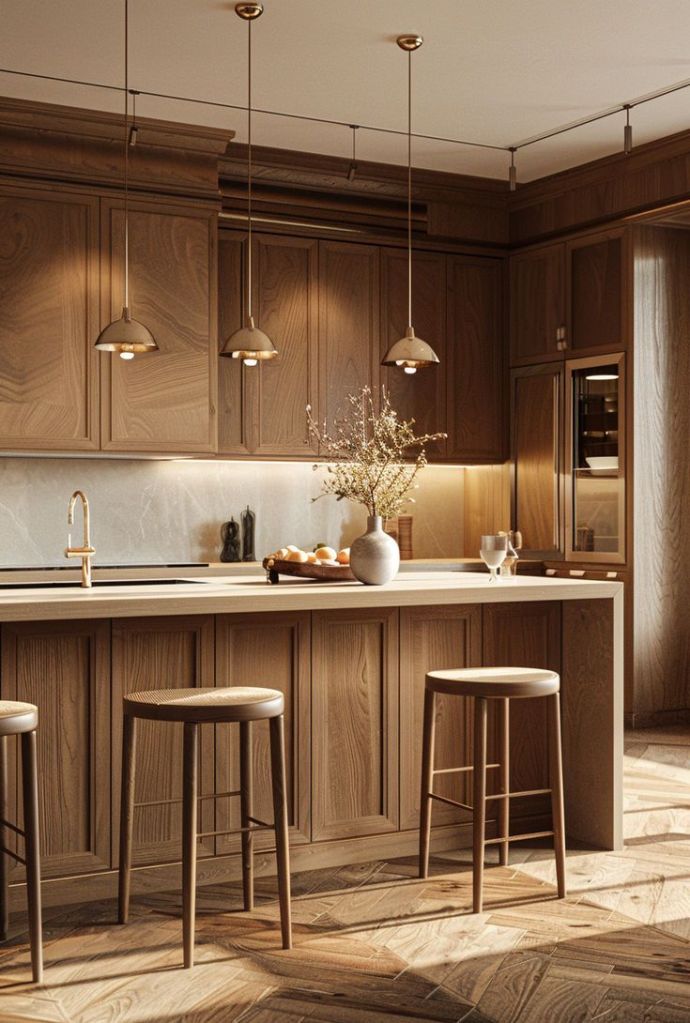
  • My Journey to Designing the Perfect Kitchen

    My Journey to Designing the Perfect Kitchen

    When my partner and I decided to buy a new house, I was thrilled but also a bit overwhelmed about all the decisions you need to make. Kitchens are the heart of the home, and I wanted ours to be both functional and beautiful. As I embarked on this design journey, I learned a lot about different styles, materials, and the essential elements that make a kitchen not just a place to cook, but a space to live and enjoy.

    Choosing a Style: Finding Our Aesthetic

    The first step in our journey was choosing a style that reflected our personalities and the overall vibe of our home. Here are some of the styles we considered:

    1. Modern: Sleek lines, minimalist designs, and a focus on function define modern kitchens. Think handleless cabinets, integrated appliances, and lots of stainless steel and glass. I loved the clean look, but worried it might feel too cold for our home.
    2. Traditional: Rich wood cabinets, detailed moldings, and classic fixtures are hallmarks of traditional kitchens. This style feels warm and inviting, but I was concerned it might look too busy in our smaller space.
    3. Transitional: Combining the best of both modern and traditional, transitional kitchens offer a balanced look with contemporary elements and classic touches. This seemed like a perfect middle ground for us.
    4. Farmhouse: With its rustic charm, shiplap walls, apron-front sinks, and open shelving, the farmhouse style is cozy and inviting. It felt like it might bring too much country into our new build house, but I loved its warmth.
    5. Industrial: Exposed brick, metal accents, and reclaimed wood create a raw and edgy look. It’s great for lofts and urban spaces, but I worried it might clash with the rest of our decor.

    After much deliberation, we settled on a transitional style. It offered the warmth of traditional elements with the clean lines of modern design, perfect for our eclectic tastes. Above a little impression on what we love.

    Planning the Layout: Function Meets Flow

    Next, we tackled the layout. We wanted a space that flowed well and maximized efficiency. Here are some key considerations we kept in mind:

    • Work Triangle: The classic design principle where the sink, stove, and refrigerator form a triangle. This layout minimizes movement and makes cooking more efficient.
    • Open Concept: We loved the idea of an open kitchen that flowed into our living and dining areas. It would allow us to interact with guests while cooking and make our space feel larger.
    • Storage Solutions: Adequate storage was crucial. We planned for a mix of cabinets, drawers, and open shelving to keep everything organized and easily accessible.
    • Counter Space: Ample counter space was a must for meal prep, baking, and entertaining. We incorporated an island to provide extra surface area and seating.

    Selecting Materials: Balancing Beauty and Durability

    Choosing materials was one of the most exciting parts of the process. Here’s a breakdown of our choices:

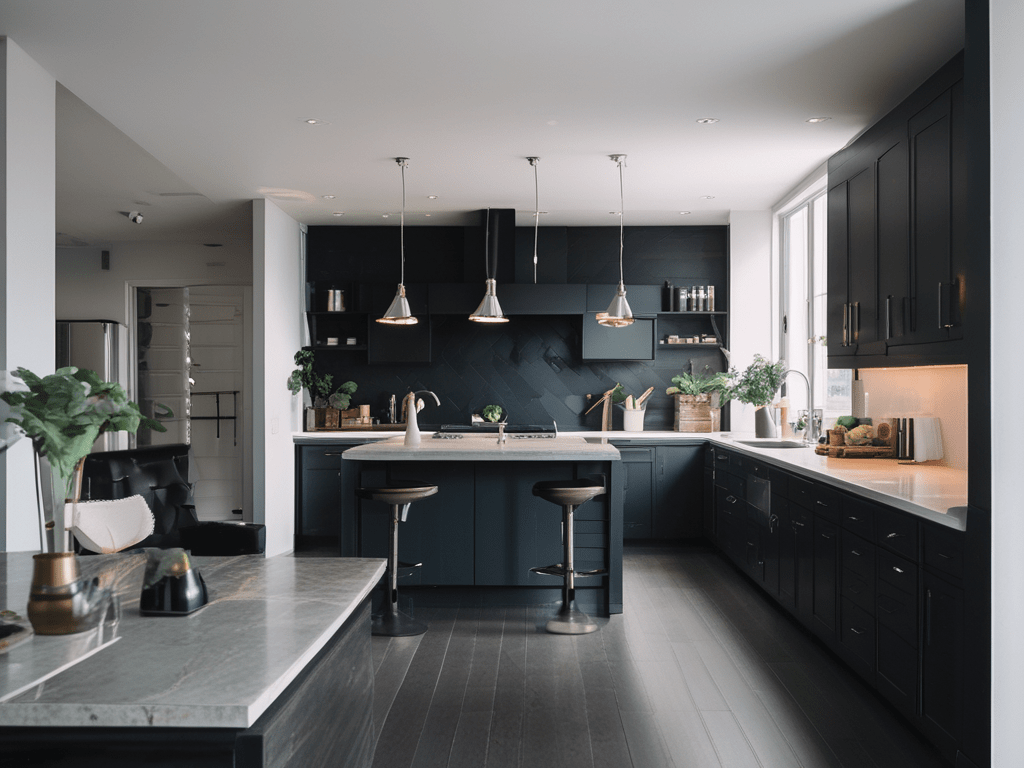
    • Cabinets: We opted for clean classic cabinets in a matt black, providing a timeless look that paired well with both traditional and modern elements.
    • Countertops: Quartz countertops won us over with their durability and low maintenance. They offer the look of natural stone without the worry of staining or scratching. We chose a light beige tint with some subtle veining.
    • Backsplash: Subway tiles in a herringbone pattern added a touch of elegance and visual interest to the space. They’re easy to clean and provide a classic look that complements our cabinets. We chose a color that combined well with our countertops.
    • Flooring: We chose PVC wood look for its durability and warmth. It ties the kitchen to the rest of our home, creating a cohesive look.
    • Appliances: Black clean appliances were a given for their sleek appearance and functionality. We invested in high-quality, energy-efficient models to ensure longevity and cost savings. We chose two ovens, because I love to bake.

    Final Touches: Making It Ours

    The final step was adding personal touches to make the kitchen truly ours. We incorporated:

    • Lighting: Pendant lights over the island and under-cabinet lighting for ambiance and functionality. Lighting can dramatically change the feel of a space.
    • Hardware: Stainless steel hardware and clean lines on our cabinets provided a modern contrast to our black cabinets, adding a touch of sophistication.

    Designing our kitchen was a journey of discovering our style, understanding our needs, and finding the right balance between aesthetics and functionality. It’s now a space where we cook, gather, and create memories, perfectly reflecting who we are and how we live. If you’re embarking on your own kitchen design adventure, my advice is to embrace the process, trust your instincts, and enjoy creating a space that feels like home. As we bought a new build, we had to buy our kitchen early on in the process but we are allowed to change colors until one month for placement. So the process is not over yet… haha

  • A Personal Journey into Interior Design for Our New Home

    A Personal Journey into Interior Design for Our New Home

    Embracing Japandi

    As my partner and I are on an very exciting journey of new homeownership, we find ourselves immersed in the world of interior design, exploring various styles to make our new house feel like home. After much research and deliberation, we’ve stumbled upon a design trend that caught our interest: Japandi.

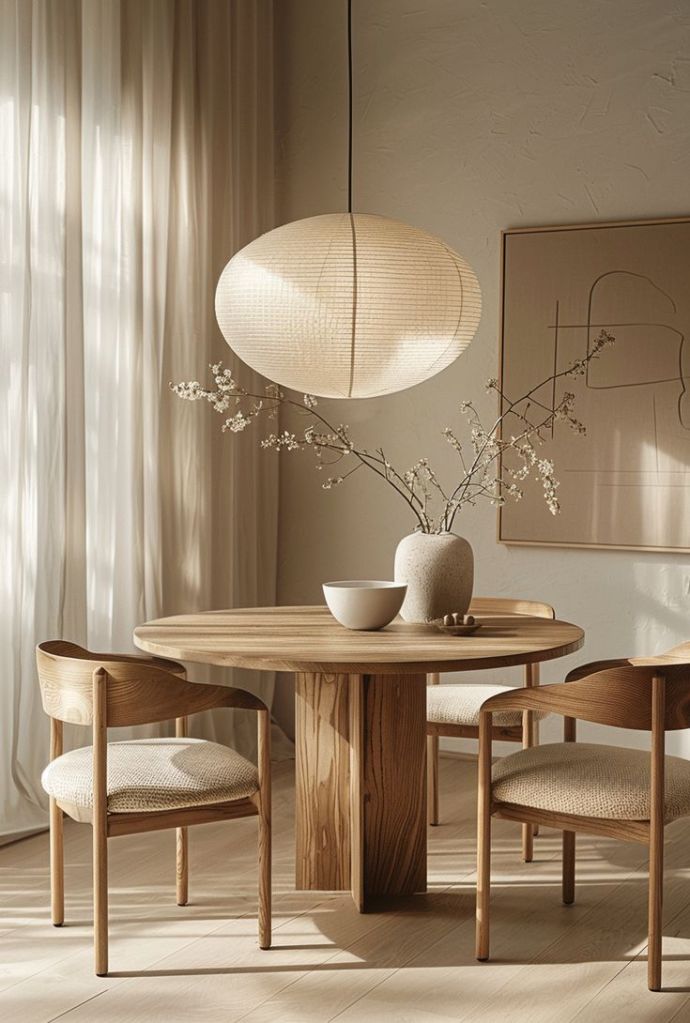
    Japandi, a fusion of Japanese and Scandinavian design principles, is gaining popularity for its minimalist yet cozy aesthetic. With its emphasis on clean lines, natural materials, and serene spaces, Japandi offers a perfect blend of functionality and simplicity that I think will resonates with us.

    As we delve deeper into the world of Japandi design, we’re discovering the key elements that define this style and how we can incorporate them into our home.

    Minimalism: One of the core principles of Japandi design is minimalism, which focuses on decluttering and simplifying spaces. We’re embracing this concept by opting for sleek furniture pieces with clean lines and minimal ornamentation. This not only creates a sense of spaciousness but also promotes a feeling of calm and serenity.

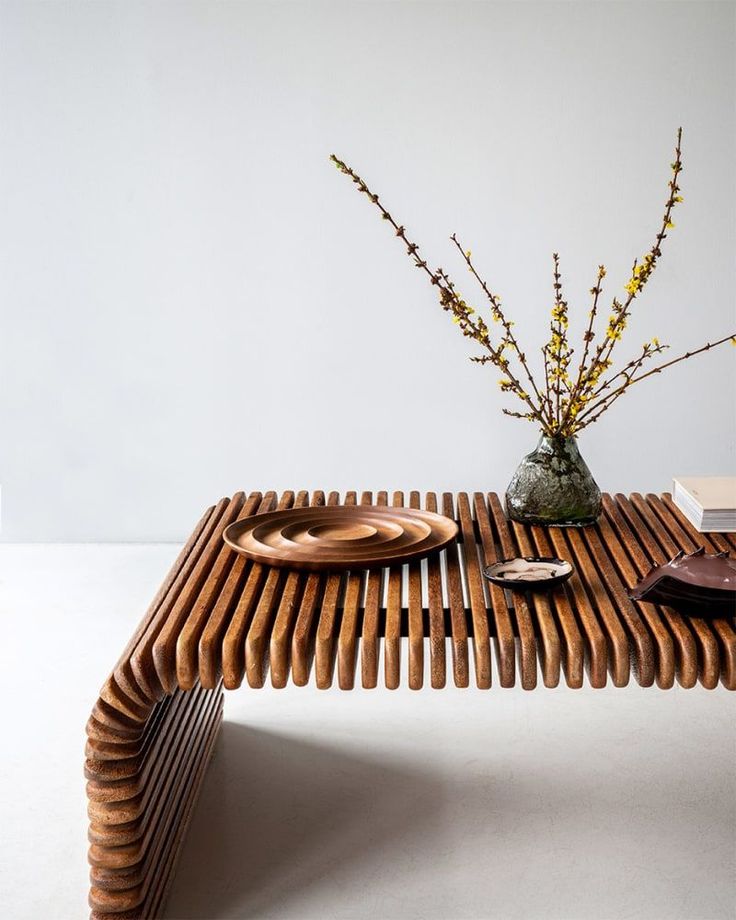
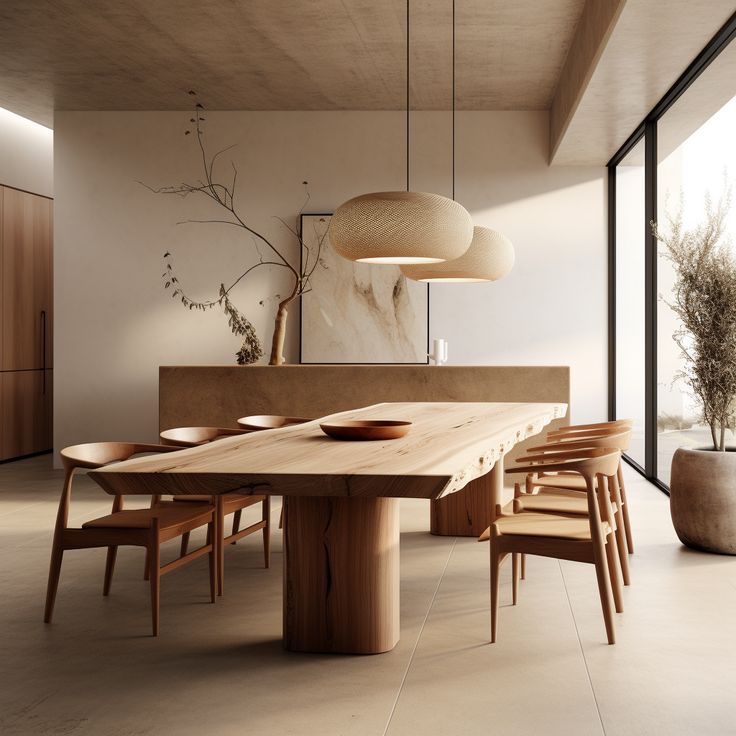
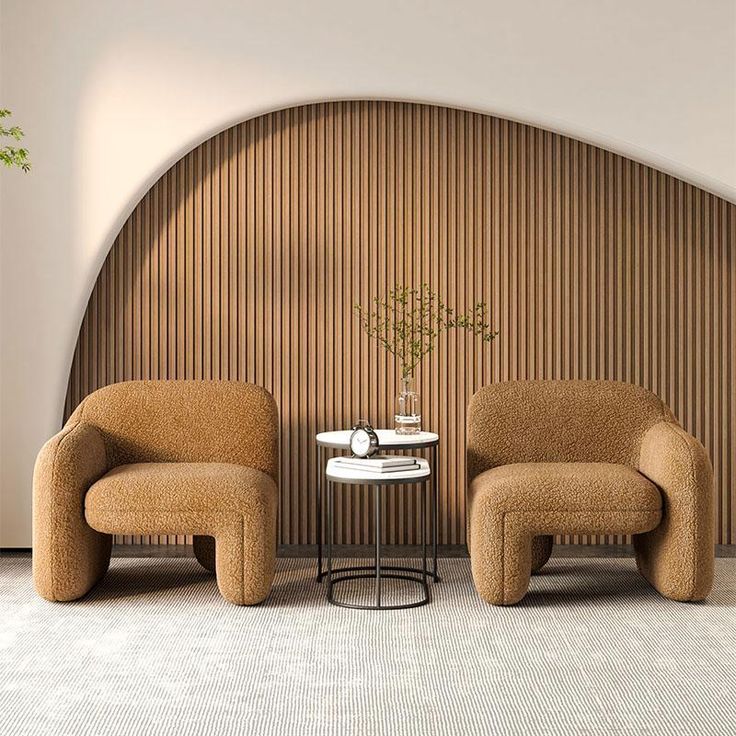
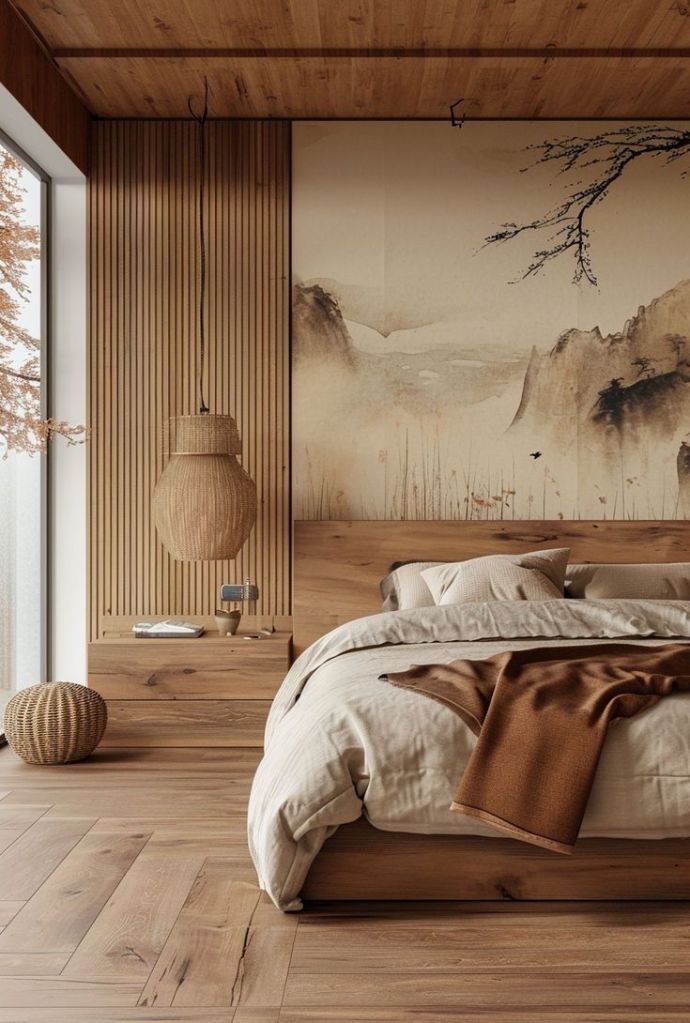
    Natural Materials: Another hallmark of Japandi design is the use of natural materials such as wood, stone, and bamboo. We’re really love to incorporate these elements into our home by choosing furniture and decor made from sustainable materials. From wooden dining tables to rattan chairs, each piece adds warmth and texture to our space while staying true to the Japandi aesthetic.

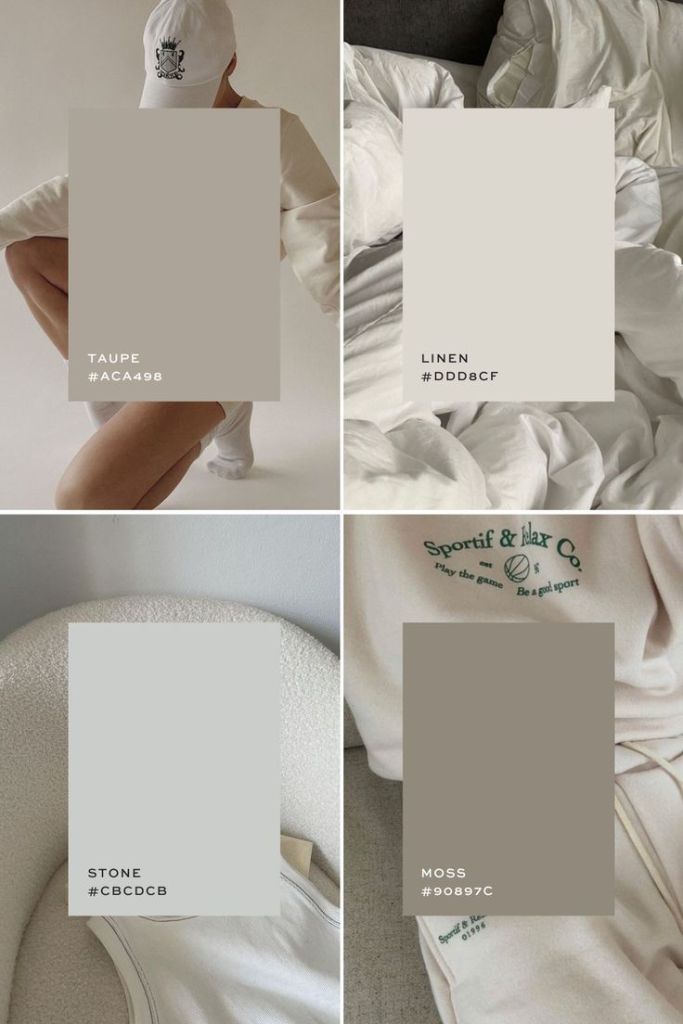
    Neutral Color Palette: Japandi design is characterized by a muted color palette consisting of soft neutrals like white, beige, and gray, accented with earthy tones. We’re opting for these soothing hues throughout our home, from wall paint to upholstery fabrics. This creates a harmonious and cohesive look that promotes relaxation and tranquility. As we still want some pop of color here and there, we are looking into other styles as well.

    Functional Design: In true Japandi fashion, they are prioritizing functionality in home design. Multifunctional furniture pieces, such as storage ottomans and modular shelving units, help maximize space while maintaining a clean and organized environment. This practical approach ensures that your home not only looks beautiful but also serves your everyday needs.

    Hygge Elements: Drawing inspiration from Scandinavian design, we’re incorporating hygge elements into our Japandi-inspired home. Cozy textiles like wool throws and plush rugs add warmth and comfort, creating inviting spaces where we can unwind and connect with loved ones.

    As we embark on this journey of transforming our new house with Japandi-inspired elements, we’re excited to see how these elements come together to create a space that reflects our personalities and lifestyle.

  • How to create the Perfect Scandinavian Vibe in Your Kitchen/Coffee Nook

    How to create the Perfect Scandinavian Vibe in Your Kitchen/Coffee Nook

    A Complete Guide

    Welcome to the cozy world of Scandinavian design! Known for its simplicity, functionality, and natural elements, Scandinavian style has taken the interior design world by storm. Today, we’re focusing on bringing that serene Nordic vibe into one of the most important corners of your home – your kitchen or coffee nook. Whether you’re a coffee aficionado or just love spending time in your kitchen, these tips will help you create that coveted Scandinavian feel effortlessly.

    1. Choose a Neutral Color Palette:

    Scandinavian design is all about light, airy spaces that evoke a sense of calmness. Start by painting your walls in soft, neutral hues like white, beige, or light gray. These colors not only make your space feel larger but also serve as a perfect backdrop for other design elements.

    2. Embrace Natural Materials:

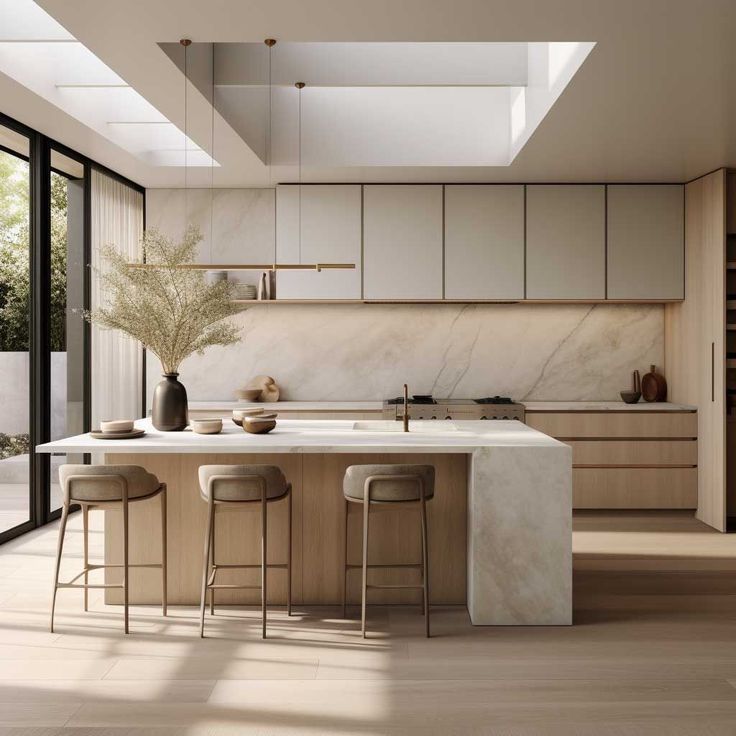
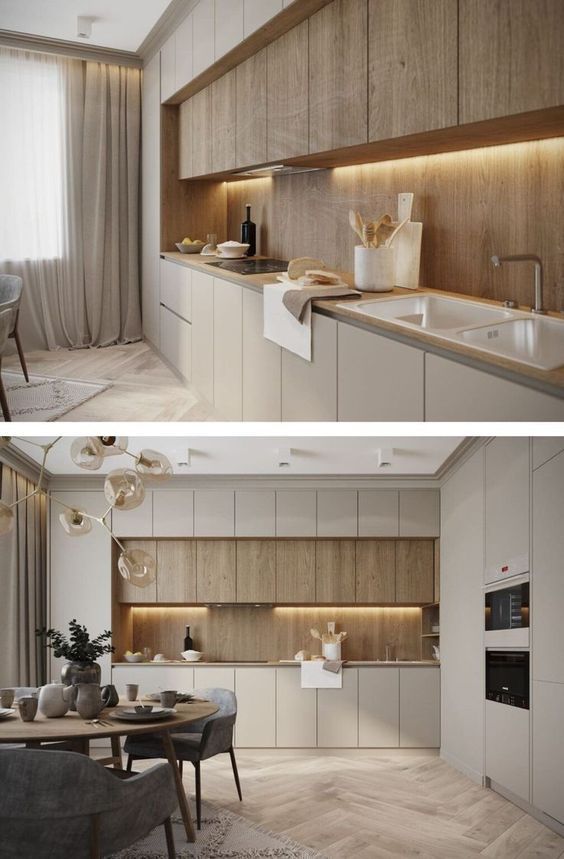
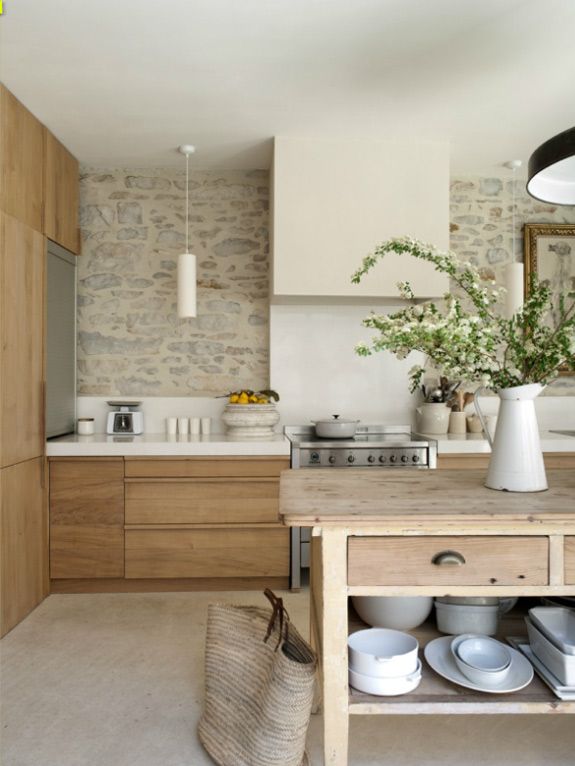
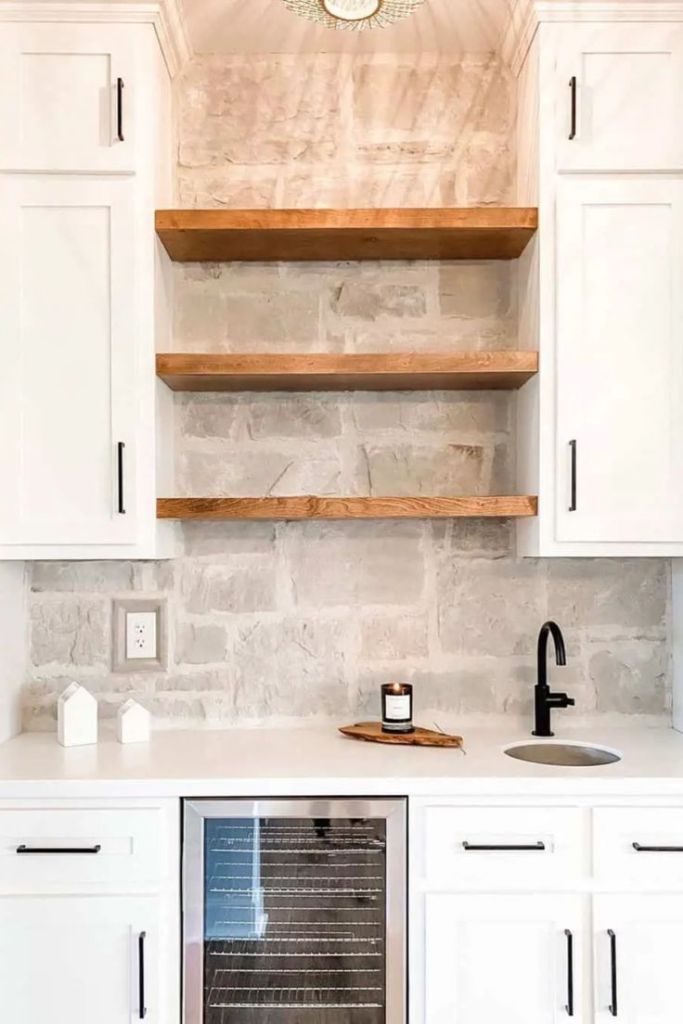
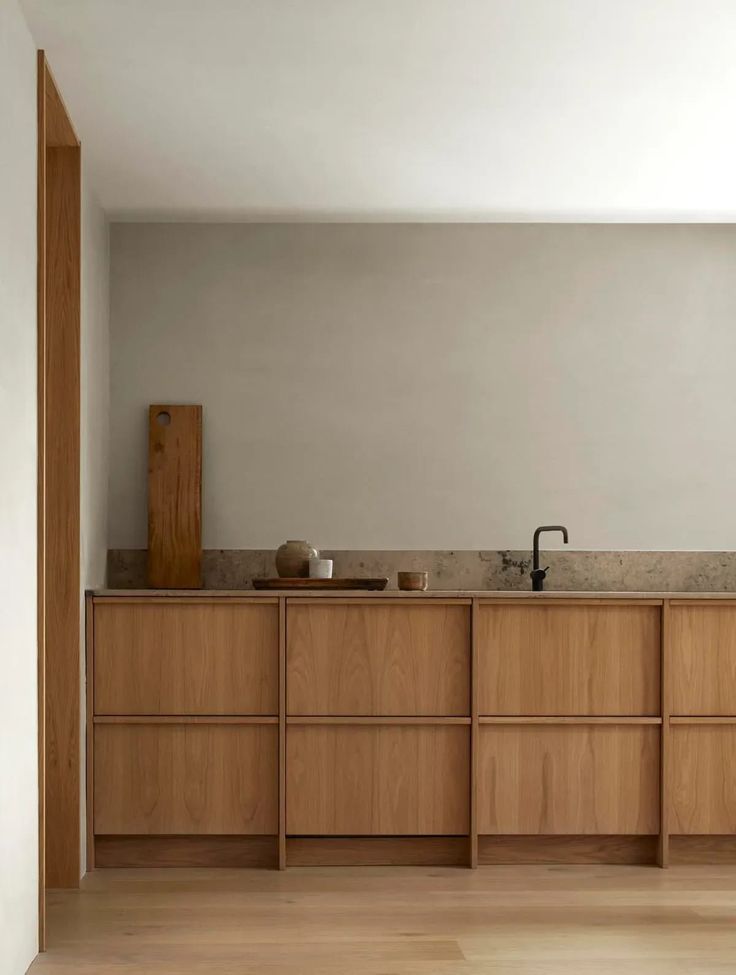
    One of the hallmarks of Scandinavian design is the use of natural materials such as wood, stone, and leather. Incorporate wooden elements into your kitchen or coffee nook through cabinets, countertops, or shelving. Opt for light-colored woods like pine or oak to maintain that bright and airy feel. Additionally, consider adding stone or marble accents for a touch of elegance. Below you can see three totally different kitchen setups were these elements are integrated.

    3. Keep It Simple and Functional:

    Scandinavian design is synonymous with simplicity and functionality. Choose sleek and minimalistic furniture pieces for your kitchen or coffee corner. Look for clean lines and geometric shapes that add visual interest without overwhelming the space. Invest in multifunctional pieces like a compact dining table that doubles as a workspace or storage solutions that keep clutter at bay.

    4. Let There Be Light:

    Natural light plays a crucial role in Scandinavian design, so make sure to maximize it in your kitchen or coffee nook. Opt for sheer curtains or blinds that allow plenty of sunlight to filter in during the day. In the evening, create a cozy ambiance with soft, diffused lighting. Consider pendant lights with matte finishes or table lamps with wooden bases to enhance the Scandinavian aesthetic.

    5. Add Textural Layers:

    To add warmth and coziness to your space, incorporate textural layers through textiles and accessories. Invest in soft, plush rugs for underfoot comfort and drape throws over chairs or benches for a touch of hygge (the Danish concept of coziness and contentment). Incorporate woven baskets, ceramic vases, and tactile cushions to infuse your kitchen or coffee nook with character and charm.

    6. Greenery and Nature-Inspired Decor:

    Bring a breath of fresh air into your space with indoor plants and nature-inspired decor. Scandinavian design embraces the beauty of the outdoors, so consider adding potted plants like succulents, ferns, or fiddle leaf figs to your kitchen or coffee corner. Display botanical prints or landscape photographs on the walls to evoke a sense of serenity and connection to nature.

    In the end, creating a Scandinavian-inspired kitchen or coffee nook is all about simplicity, functionality, and natural elements. By following these tips, you can transform your space into a serene retreat that exudes Scandinavian charm. Remember to focus on neutral colors, natural materials, simplicity, and plenty of light to achieve that coveted Nordic vibe. With the right design elements and a touch of creativity, you’ll be enjoying your own slice of Scandinavian paradise in no time!

  • The Power of Minimalistic Vases

    The Power of Minimalistic Vases

    Elevating Your Interior Design with Simplicity

    In the realm of interior design, it’s often said that less is more. This mantra holds especially true when it comes to incorporating minimalistic vases into your living space. These simple yet elegant vessels have the power to transform any room, adding a touch of sophistication and refinement. In this guide, we’ll explore how a minimalistic vase can elevate your interior design, using natural colors and a variety of materials to create a harmonious and balanced atmosphere.

    1. Embracing Simplicity:

    Minimalistic vases are all about embracing simplicity and letting the beauty of your blooms take center stage. Their clean lines and understated designs allow them to seamlessly integrate into any decor style, from modern and contemporary to rustic and traditional. By keeping the focus on the flowers themselves, minimalistic vases create a sense of tranquility and serenity in your home.

    2. Playing with Natural Colors:

    When selecting a minimalistic vase for your interior design scheme, consider opting for natural colors that complement your surroundings. Earthy tones like soft beige, warm taupe, and muted greys evoke a sense of calm and serenity, while still allowing your flowers to shine. These subtle hues create a harmonious backdrop for your blooms, enhancing their natural beauty and creating a cohesive look throughout your space.

    3. Exploring Different Materials:

    Minimalistic vases come in a variety of materials, each with its own unique charm and character. From sleek glass and smooth ceramic to rustic clay and elegant marble, the possibilities are endless. Experimenting with different materials allows you to add visual interest and texture to your interior design while maintaining a minimalist aesthetic.

    Glass: Glass vases are timeless classics that scream elegance and sophistication. Their transparent design allows you to showcase the stems of your flowers, creating a stunning visual display that adds a touch of drama to any room.

    Ceramic: Ceramic vases are versatile and durable, making them an excellent choice for both indoor and outdoor spaces. Their smooth surface and subtle sheen add a touch of luxury to your decor, while their understated design complements a wide range of flower arrangements.

    Clay: Clay vases have a rustic charm that adds warmth and character to your interior design. Their earthy texture and organic shapes create a sense of authenticity, making them perfect for adding a touch of natural beauty to your home.

    Marble: Marble vases are the epitome of luxury and sophistication. Their sleek and polished surface adds a touch of glamour to any room, while their timeless elegance makes them a statement piece in their own right.

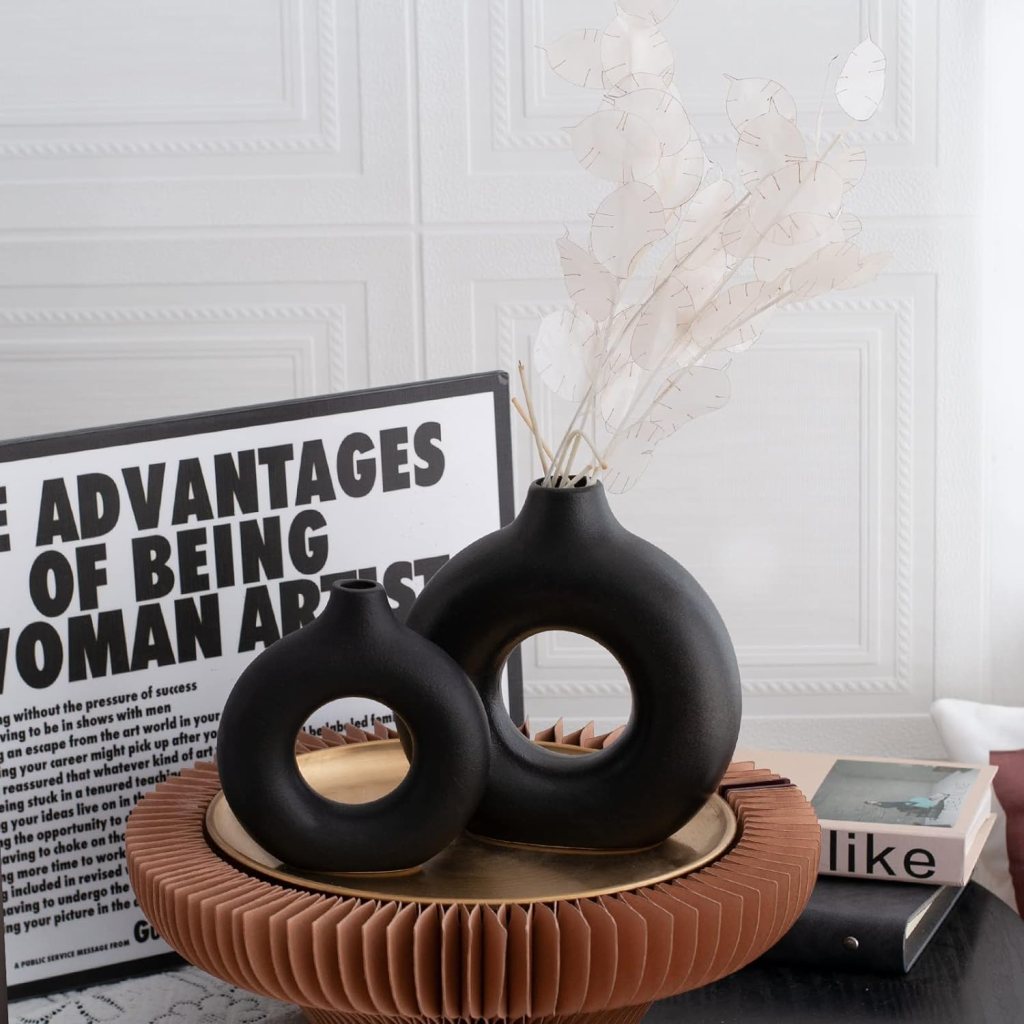
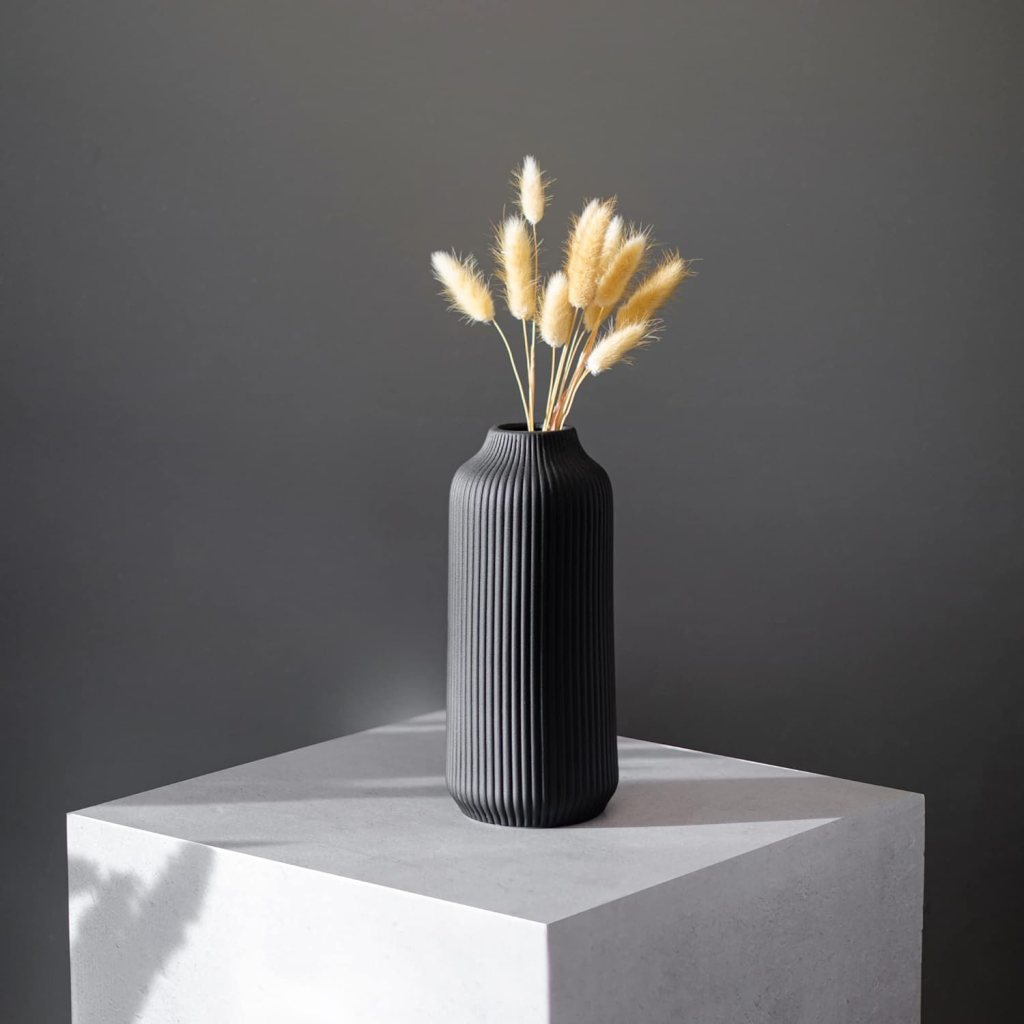
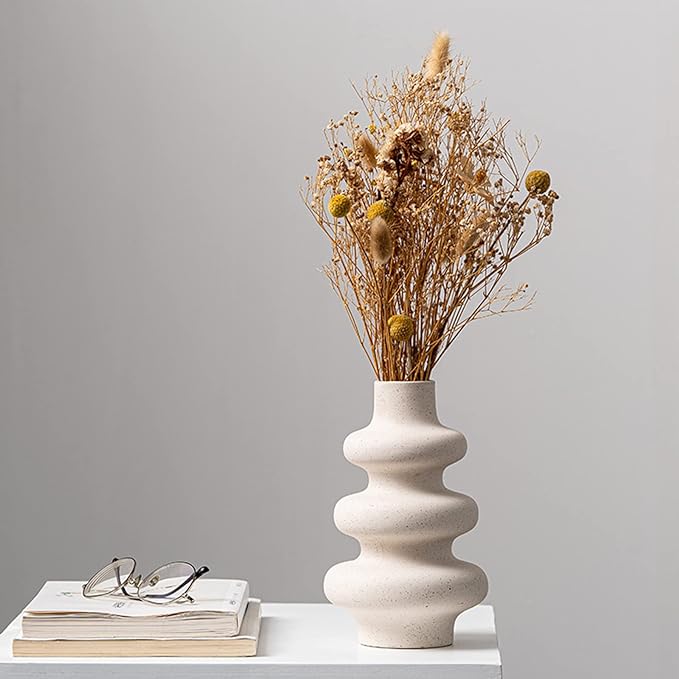
    Incorporating minimalistic vases into your interior design is a simple yet effective way to elevate your space and create a sense of harmony and balance. By embracing simplicity, playing with natural colors, and exploring different materials, you can create a visually stunning and inviting atmosphere that reflects your personal style and aesthetic preferences. So why wait? Add a touch of elegance to your home with a beautiful minimalistic vase today with my top 5 at the moment:

    1. Black Ceramic minimalistic Long vase
    2. Set of 2 Ceramic round Vases
    3. Natural Ceramic Nordic Vase
    4. 2 in 1 Ceramic Beige Vases
    5. White Ceramic Long Vase